Clear, fragrant broth and tender noodles are what make Chinese chicken noodle soup worth putting on repeat. The best bowls have a clean, savory base, chicken that stays soft instead of stringy, and vegetables that still taste fresh when the spoon hits the bottom. This version leans on ginger, garlic, soy, and a little sesame oil, which gives the soup real depth without turning it heavy.
What matters most here is timing. The broth needs a short simmer with the aromatics so the ginger and garlic can open up, but the noodles stay separate until serving so they don’t go cloudy or swollen in the pot. Cooking the bok choy at the end keeps it bright and lightly crisp instead of limp. Thin-sliced chicken breast also cooks fast enough to stay juicy, which is exactly what you want in a quick soup like this.
Below you’ll find the small details that make the bowl taste finished, plus the swaps that still keep the soup balanced if you need to work with what you have.
The broth stayed clear, the chicken was tender, and the noodles didn’t get mushy even after sitting for a few minutes. The white pepper and sesame oil at the end made it taste like a restaurant bowl.
Save this Chinese chicken noodle soup for the nights when you want a clear, ginger-scented broth with tender chicken and slippery noodles.
The Step That Keeps the Broth Clear Instead of Cloudy
The biggest mistake in noodle soup is boiling everything together from the start. That is how the noodles drink up too much broth, the chicken overcooks, and the soup turns starchier and flatter than it should. Cooking the noodles separately keeps the broth clean and gives you better control over the final bowl.
The other detail that matters is gentle heat. Once the broth is simmering, keep it there instead of pushing it to a hard boil. A hard boil can make the chicken tough and can pull the soup in a direction that tastes aggressive instead of rounded. The goal is a clear, savory broth with each ingredient still tasting like itself.
What Each Ingredient Is Actually Doing in This Bowl
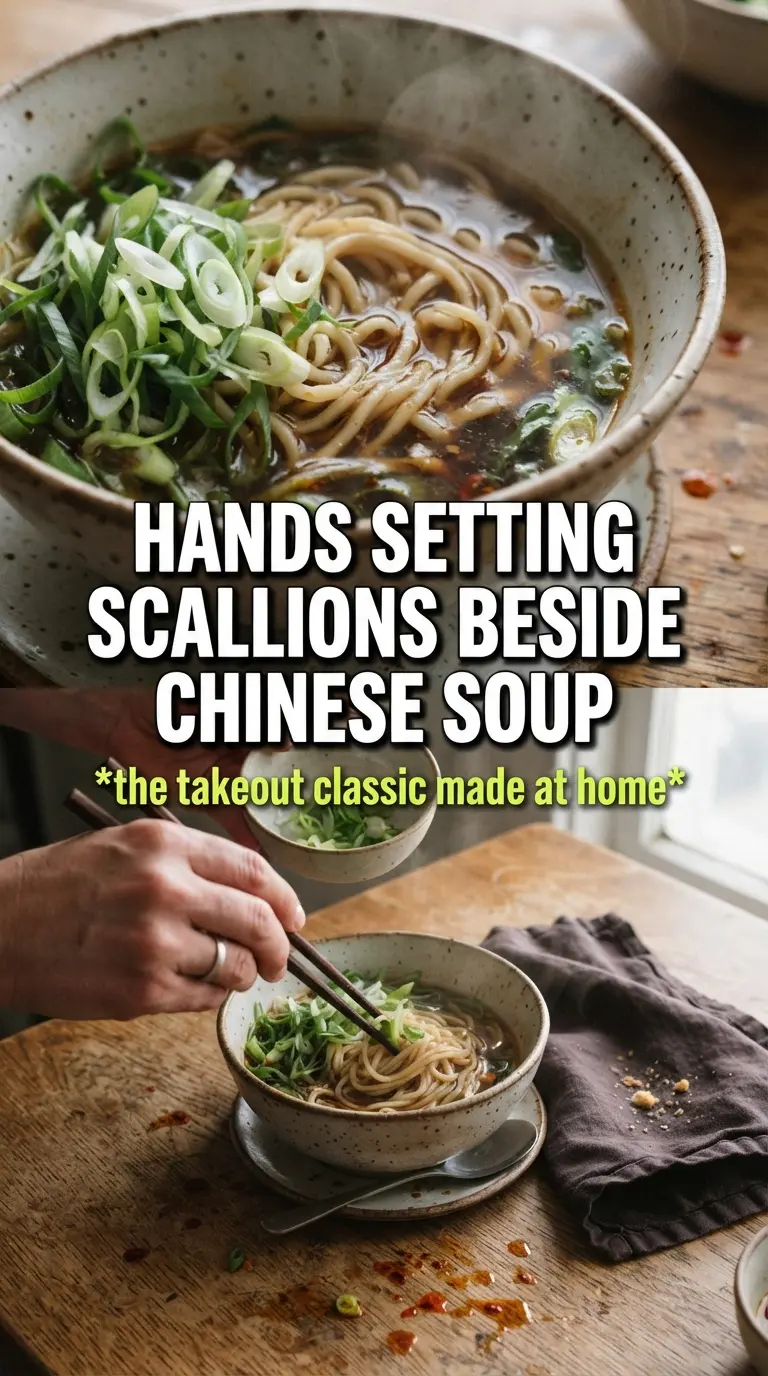
- Chicken breast — Thin slicing is what keeps it tender here. Thick chunks take longer and can go stringy before the broth is ready. If you want to use chicken thighs, they work well too and bring a little more richness, but they’ll give the soup a slightly deeper, less lean finish.
- Shiitake mushrooms — These add the earthy backbone that makes the broth taste fuller. Button mushrooms will work in a pinch, but they’re milder and less savory. Slice them thin so they soften quickly and release their flavor into the broth.
- Bok choy — This should stay bright and lightly crisp, not collapse into the soup. Add it at the end so the stems are just tender and the leaves wilt from the heat. Napa cabbage can stand in, but it brings a softer texture and a sweeter finish.
- White pepper — This is one of the defining flavors in the finished bowl. It adds a warm, slightly floral heat that black pepper doesn’t quite match. Use it at the end so it stays noticeable and doesn’t get buried under the simmering broth.
- Sesame oil and rice vinegar — Sesame oil rounds the soup out with a nutty finish, while rice vinegar keeps the broth from tasting flat. Don’t swap the sesame oil for a neutral oil; you’ll lose the last layer of flavor that makes this taste finished. The vinegar should stay subtle, not sharp.
Building the Soup in the Right Order
Waking Up the Aromatics
Start by bringing the broth to a simmer, then add the garlic and ginger and let them cook for about 5 minutes. You want the broth to smell warm and ginger-forward, not raw or sharp. If the heat is too high, the garlic can turn harsh before the broth has time to absorb its flavor. Keep it at a steady simmer and stir once or twice so nothing settles and sticks.
Cooking the Chicken Without Toughening It
Add the sliced chicken and mushrooms and let them simmer gently until the chicken is cooked through, about 10 to 12 minutes. The chicken should turn opaque and lose its pink color, but it shouldn’t be boiling furiously. If the broth is raging, the meat tightens up and the soup gets less silky. Thin slices cook fast, so watch the color more than the clock.
Finishing With Greens and Noodles
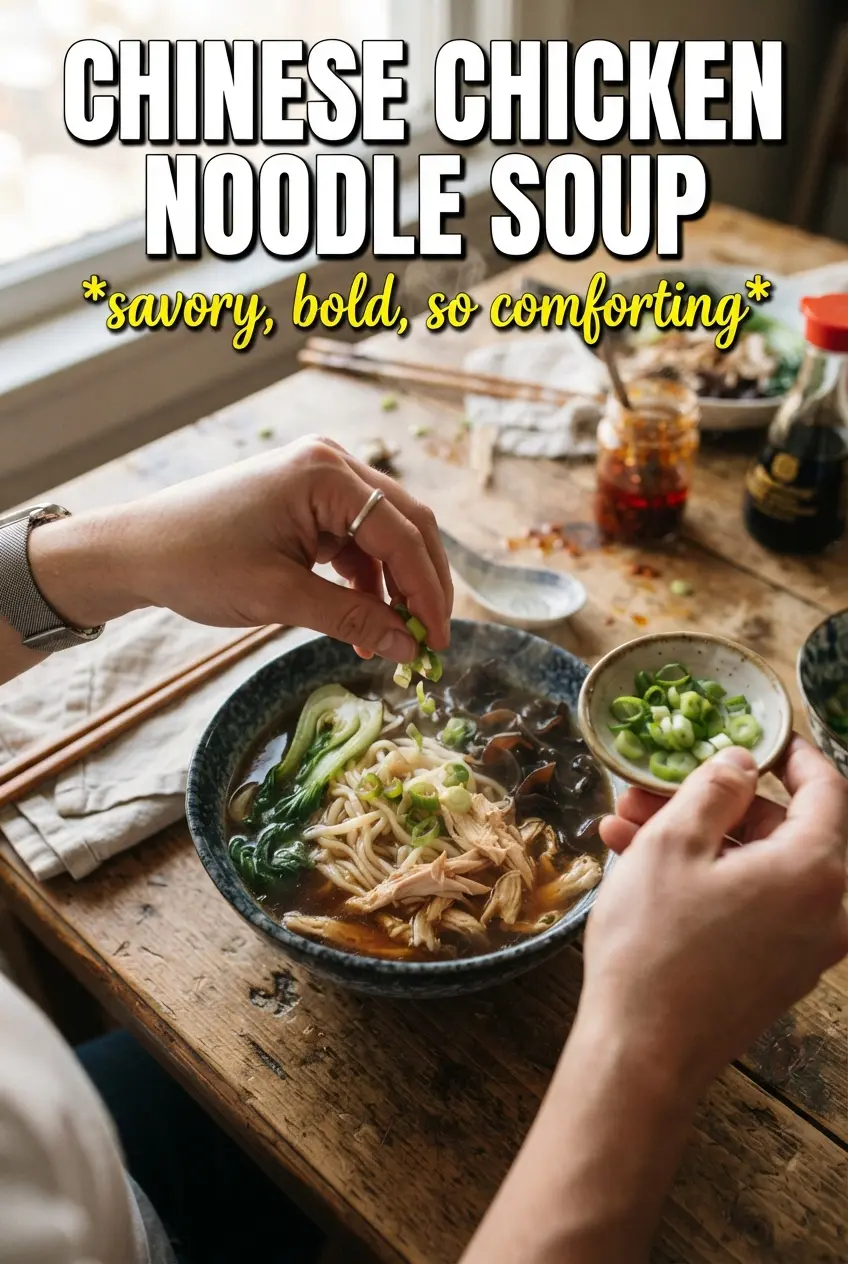
Cook the noodles separately, then divide them between the bowls before ladling over the broth. Stir the bok choy into the soup and let it cook just until the stems are tender and the leaves are wilted, about 3 minutes. Season with white pepper and salt at the end, then finish with green onions, cilantro, and chili oil. That final drizzle matters because it gives the soup a brighter top note right before serving.
How to Adapt This for Different Needs
Make it dairy-free and naturally light
This soup is already dairy-free, so there’s nothing to change for that direction. Keep the sesame oil and white pepper in place, because they give you the roundness people often expect from a richer soup without needing any cream.
Use rice noodles for a gluten-free bowl
Swap in rice noodles and use a gluten-free soy sauce if needed. Rice noodles soften a little faster than wheat noodles, so watch them closely and keep them separate until serving. The soup still eats like a proper noodle bowl, just with a softer, silkier texture.
Turn it into a more filling dinner
Add extra mushrooms, a second bunch of bok choy, or a handful of frozen corn for a fuller bowl. You can also increase the chicken slightly if you want a higher-protein soup. The broth will still stay clean, but the bowl will feel more substantial.
Storage and Reheating
- Refrigerator: Store the broth, chicken, and vegetables separately from the noodles for up to 4 days. The noodles keep their texture much better that way.
- Freezer: Freeze the broth, chicken, and mushrooms without the noodles or bok choy. The noodles turn soft after thawing, and the greens lose their bite.
- Reheating: Warm the broth gently over medium-low heat until steaming, then add the noodles only at the end. If you reheat everything together too long, the noodles swell and the chicken tightens.
Answers to the Questions Worth Asking
Chinese Chicken Noodle Soup
Ingredients
Equipment
Method
- Bring the chicken broth to a simmer in a large pot, then add the minced garlic and grated ginger and cook for 5 minutes.
- Stir in the soy sauce, sesame oil, and rice vinegar, then adjust to taste.
- Add the thinly sliced chicken and sliced shiitake mushrooms, then simmer for 10-12 minutes until the chicken is cooked.
- Cook the thin Chinese wheat noodles or rice noodles separately according to package directions, then drain and divide into bowls.
- Add the chopped bok choy to the broth and cook for 3 minutes, until wilted.
- Ladle the hot soup over the noodles, then season with white pepper and salt to taste.
- Garnish each bowl with sliced green onions, cilantro, and a drizzle of chili oil.